What to expect when participating in a trial
Joining a clinical trial is an important decision, and knowing what to expect can help you feel informed and confident every step of the way. At Alexion, participant safety and comfort through transparency is our highest priority.
While every trial is unique, most trials follow a similar path designed to help participants, caregivers, and researchers work together toward a shared goal of advancing care for rare diseases.

New hope through options for rare disease
People join clinical trials for many unique reasons. Some, for access to potential new treatments that aren’t yet available. This is especially true in the rare disease space. Others join to help advance science for future generations. But no matter the reason, every volunteer plays a critical role in improving care for rare diseases.
-
Explore new options for rare conditions
Clinical trials can give you access to treatments that aren’t yet available to the public, offering potential new ways to manage your condition.
-
Your participation moves science forward
By joining a trial, you help researchers learn more about rare diseases and create new treatments that could help others in the future.
-
Make a difference for future generations
By taking part in a trial, you may not only help yourself, but you may also help others with rare diseases by contributing to discoveries that could change lives.
A guided look through the trial process

Before joining a trial, you may complete a brief questionnaire or discussion to see if you may be eligible. This step helps researchers understand whether a specific trial is the right fit for you or your loved one.
If a trial seems right for you, the trial team will explain all the details, including potential benefits, risks, and what participation involves. You’ll have the opportunity to ask questions and decide if you’d like to move forward.
Once you’ve provided consent, additional tests or evaluations may be completed to confirm eligibility. These could include reviewing your medical history, lab tests, or physical exams.
During the trial, you may receive an investigational treatment or placebo as outlined in the trial plan. You will attend trial visits and, depending on the trial, may have at-home requirements. The research team will check in regularly to monitor your health, track progress, and answer any questions you have along the way.
When the trial ends, the trial team will review your results and may schedule follow-up visits to check your ongoing health. Depending on the trial, there may be an opportunity to continue to take the investigational treatment for an extended period of time. You’ll learn about next steps and how your contribution helps researchers better understand rare diseases and develop future treatments.
Who’s part of a clinical trial?
Participating in a clinical trial means joining a supportive team working together toward better care. Every person you meet plays an important role in making your experience safe, informed, and comfortable.

The participant
You’re at the center of it all. As a volunteer, your experience helps researchers understand how a treatment may work and move science forward for others with rare diseases.

The caregiver
Caregivers, who are often family members or friends, may provide emotional and logistical support before, during, and after trial visits. They help make sure you feel comfortable and confident throughout the process.

The investigator
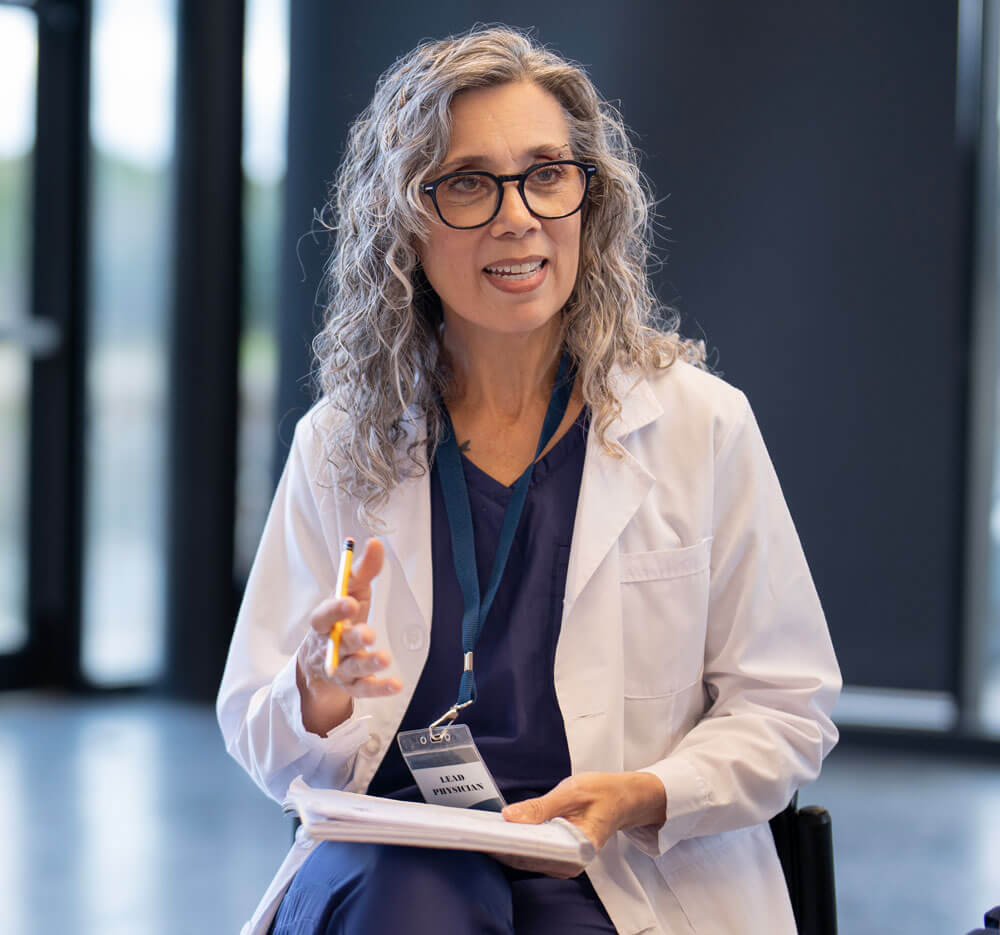
A doctor overseeing your care during the trial. They monitor your safety closely and make sure the trial follows medical and ethical standards.

The trial coordinator
Your main point of contact at the trial site. Coordinators help manage appointments, answer questions, and guide you through every step of the trial experience.
Safely managing your data
Your privacy is our priority
Your privacy and trust are essential. Any personal or medical information collected during a clinical trial is protected and kept confidential in accordance with strict global data protection standards. Data is securely stored, used only for research purposes, and never shared without your consent.
See our commitmentsProtecting your biosamples
Your biosamples, like blood, tissue, or cells, help researchers understand disease and test new treatments. We protect your samples with the same high privacy standards as your personal data, ensuring they’re handled responsibly and used only for research.
What happens to your biosamples
Supporting you every step of the way
There is no cost to participate in an Alexion clinical trial. Trial-related care, procedures, and treatments are provided at no charge. In many cases, participants may also receive compensation or reimbursement for travel and time spent at trial visits.

